Exploring Lyon’s Secret Passageways
By Hannah Cameron
Hidden traboules and courtyards of Lyon—What are they, why are they there, and how to find them.
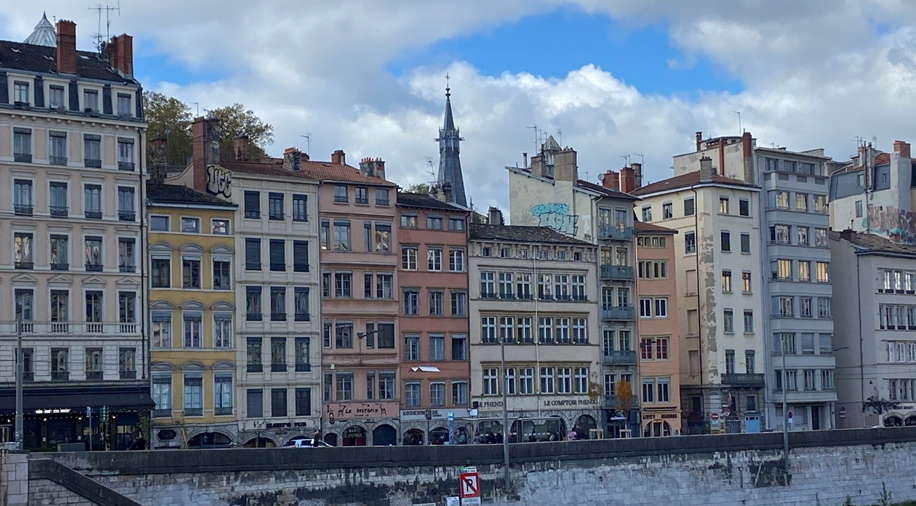
Lyon, France’s second largest city and gastronomic capital, has a long and fascinating history dating back to its foundation by the Romans in the 1st century BC. Recognised as a UNESCO world heritage site, the city’s gorgeous old town is a testament to these hundreds of years of captivating history. Hidden within these winding streets, a series of secret passageways lie, concealed from all but the most inquisitive eyes and largely undiscovered by tourists.
The secret cobbled walkways winding through Vieux Lyon and the Croix Rousse are called traboules; a term which derives from the Latin phrase trans ambular, meaning pass through. Incredibly, the oldest passageways are thought to have been built as early as the fourth century, when inhabitants first moved to the banks of the river Saône. They acted as a shortcut to get to the river, providing locals with a quick alternative to traipsing through rough, winding streets.
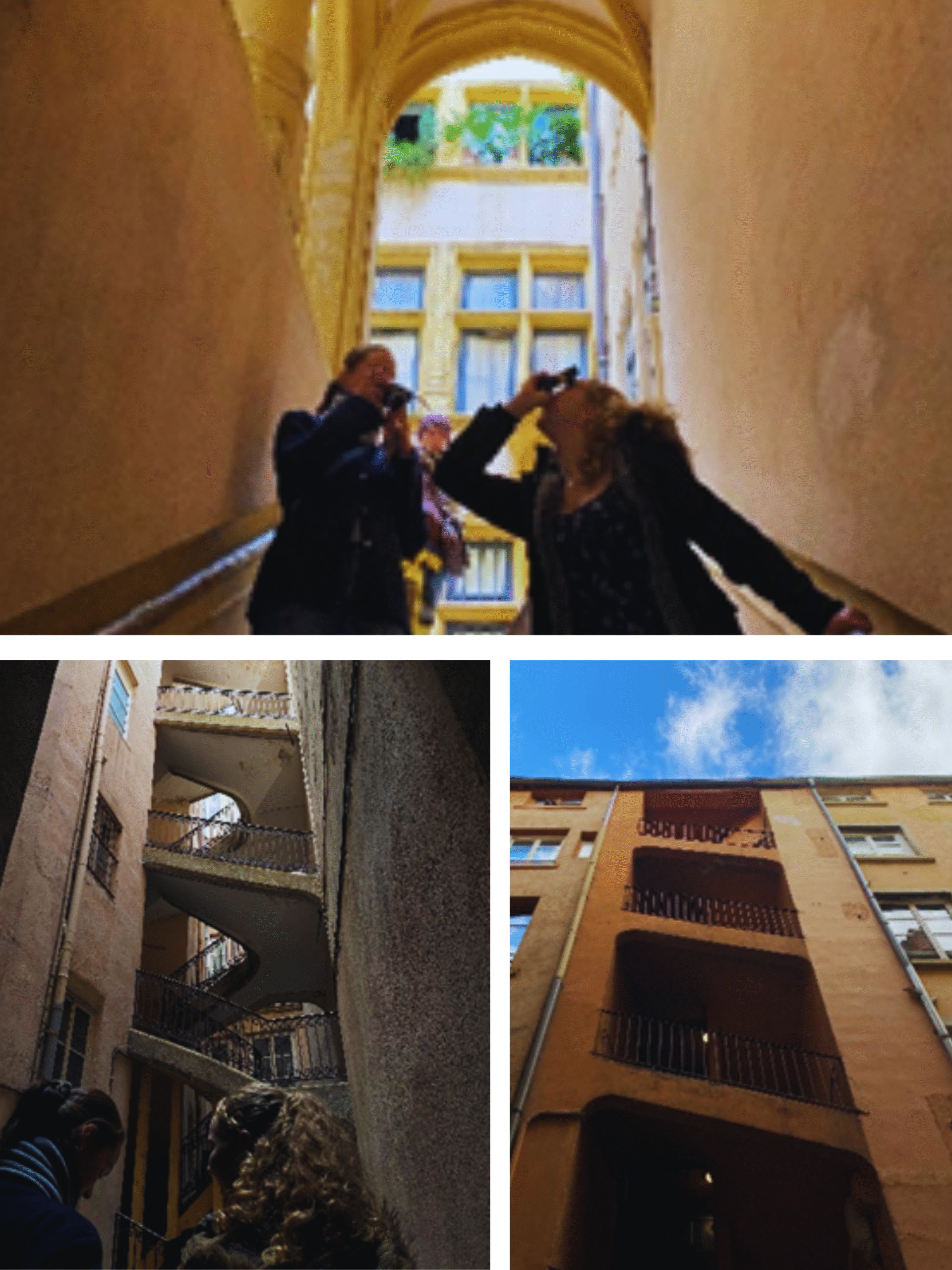
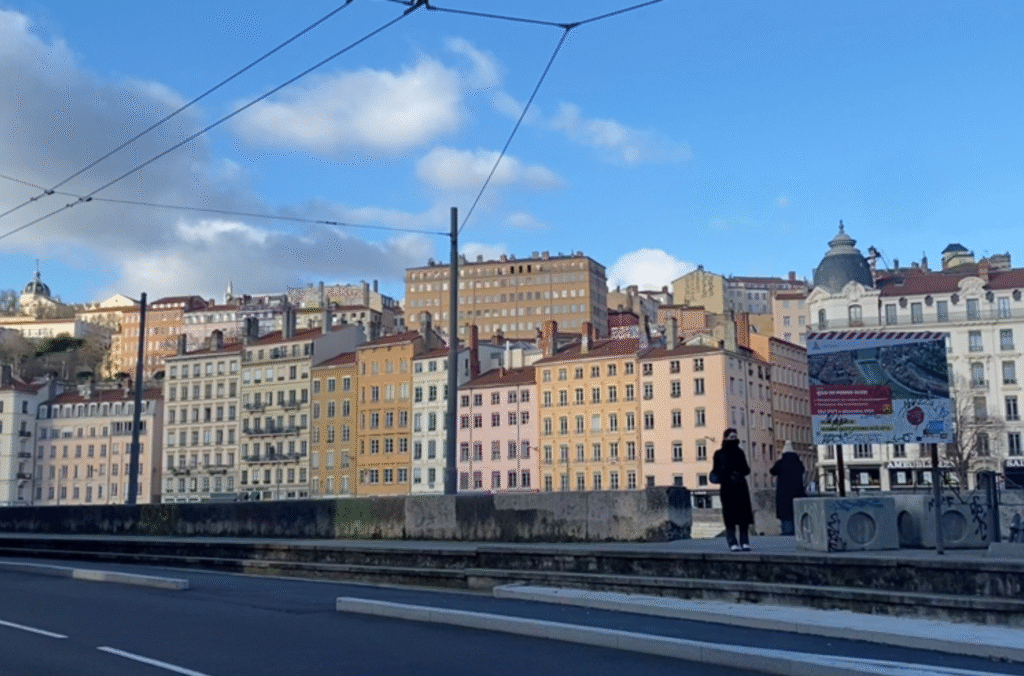
A particular hotspot for traboules is the Croix Rousse hill or, “the hill that works.” In times gone by, thousands of silk weavers lived and worked here, creating high-quality fabrics which, by the 19th century, earned Lyon a reputation as the world’s silk capital.
Interestingly, the success of the silk workers, who were known as Canuts, can be linked in part to the traboules themselves. The artisans used the passageways to travel from their workshops to merchants at the foot of the hill, carrying heavy loads of silk on their backs.
When Canuts began to strike and revolt because of the low wages they received for this hard work, the hidden traboules became a place of social uprising.
In WW2 the traboules once again became a backdrop for resistance. Despite heavy Nazi occupation from 1940, the French resistance movement in Lyon was able to evade the Gestapo by using the complex hidden network of tunnels for secret meetings and quick escapes.
Today the traboules are a place of wonder for curious travellers from all over the world. Don’t miss them! Trying to find these quiet alleys among the busy streets is half the fun.
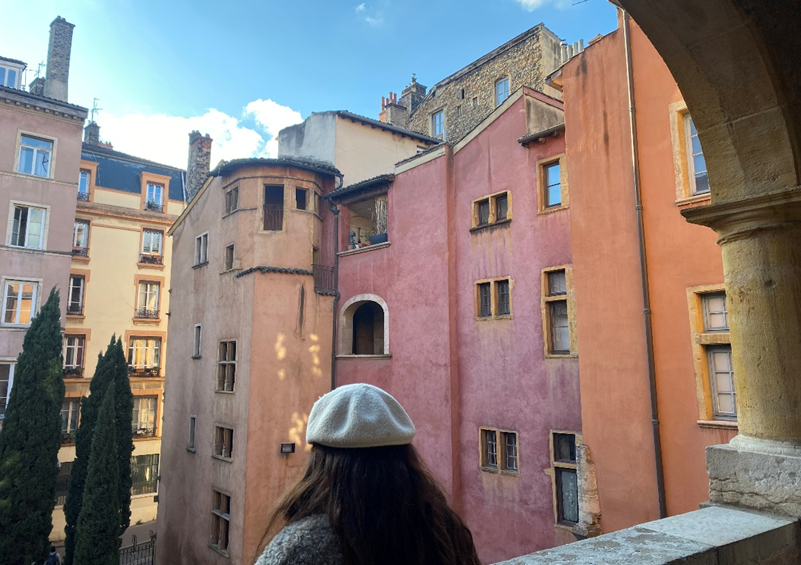
A beautiful pastel courtyard in the heart of Lyon’s old town.
So, how to find them?
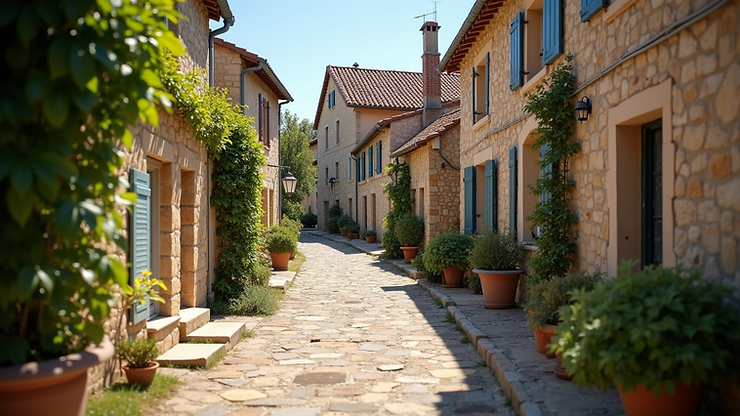
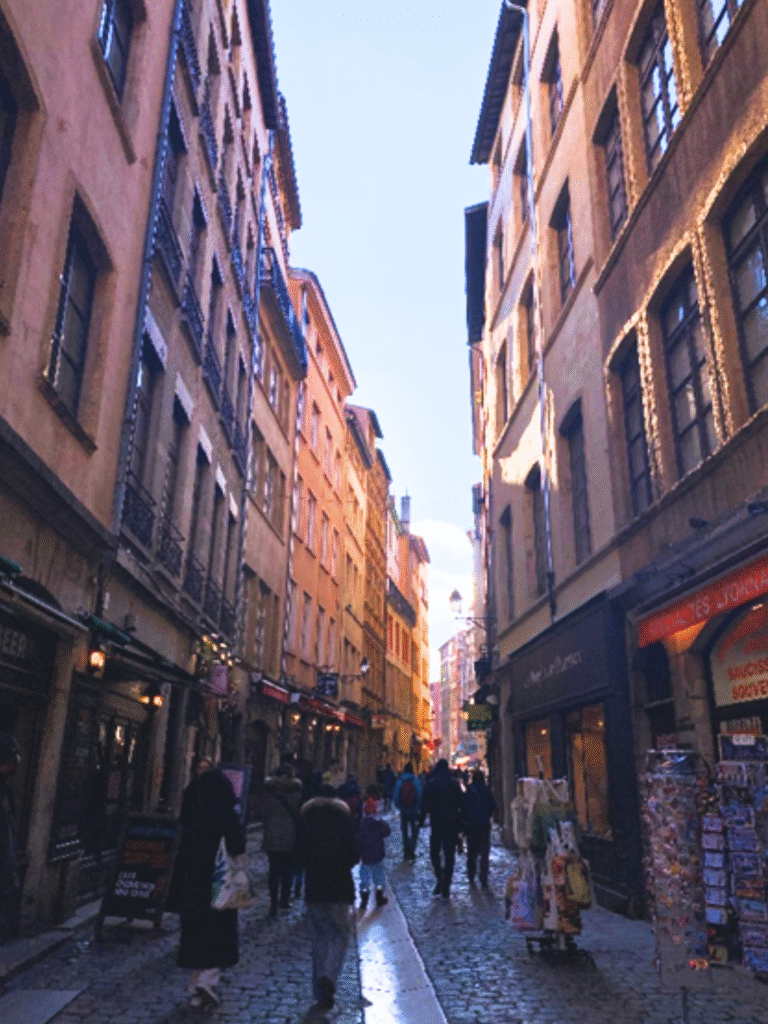
There are over 500 passages and courtyards throughout Lyon’s historic suburbs—after all, most still act as entranceways to local homes. However, not all are open to the public. Some of the best and most accessible traboules can be found off Rue Saint-Jean in the old town, at the foot of Fourvière hill.
All it takes for you to find these secret streets is a keen eye and a dash of confidence. Once you push open the first inconspicuous entrance way and step into Lyon’s quiet underworld you’ll feel like a true explorer. Once you start looking, it really is striking how many traboules you will find and how frequently tourists walk past them oblivious.
Hidden passageways are just one of the many exciting secrets and experiences Lyon has to offer. Famous food halls, roman amphitheatres, and a truly breathtaking basilica which towers high above the town, can also be found in this ancient city.
Explore Lyon and so much more with France Travel Solutions. France’s gastronomic capital is the first of many incredible stops on our Eastern France and Winter Christmas Delights tours
With a local guide and expert leading the way, a tour with France Travel Solutions means discovering the hidden gems, like Lyon’s traboules, that many tourists miss.
Travel with locals, like a local. Your unique French adventure is calling. Book now!
Photographs by Hannah Cameron